

Diamond cut alloy wheels are a popular choice among car owners who want a premium, modern finish that enhances the overall appearance of their vehicle. Their sharp, polished surface gives cars a distinctive and high-end look, but over time, these wheels can lose their shine or suffer damage from everyday driving conditions. Exposure to road debris, moisture, and general wear can gradually affect both their appearance and durability.
Key Takeaways
- Understanding the basics of diamond cut alloy wheels is essential before attempting to refurbish them.
- Diamond cut alloy wheels offer advantages such as a unique appearance and increased resale value.
- However, they also have disadvantages, including a higher risk of damage and more maintenance requirements.
- Cleaning the wheels thoroughly and removing the old finish are crucial steps in preparing them for refurbishment.
- Choosing the right refurbishment method, sanding and polishing the wheels, and applying a new finish are the main steps in the refurbishment process.
What are Diamond Cut Alloy Wheels?
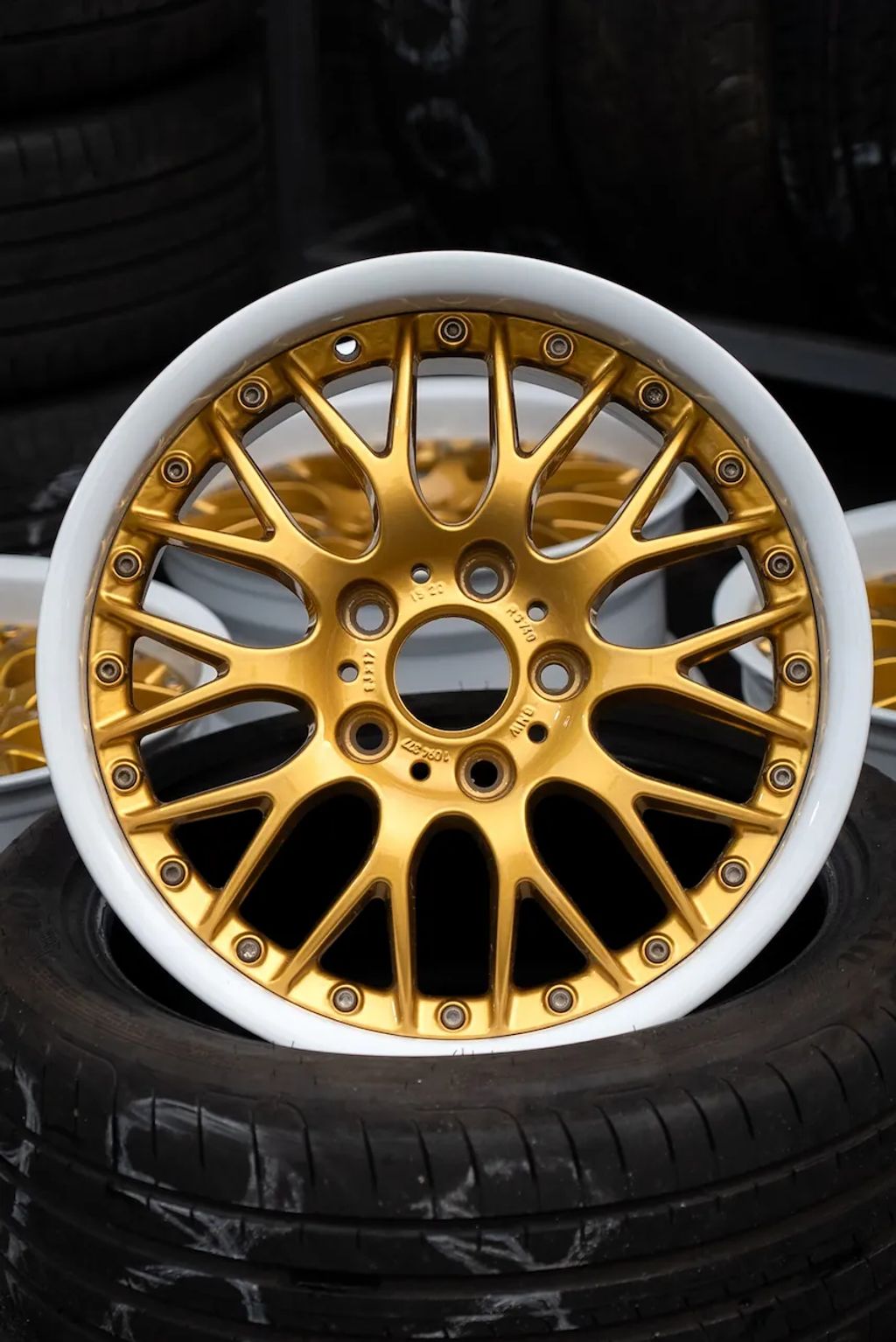
Understanding the Basics of Diamond Cut Alloy Wheels
Diamond cut alloy wheels are highly valued for their clean, sharp, and premium finish, which gives vehicles a refined and modern appearance. These wheels are manufactured using an aluminium alloy base, followed by a precision diamond-cutting process that creates a smooth, polished surface on the face of the wheel. This distinctive finish is what sets diamond cut wheels apart from standard painted or powder-coated alloys.
At JR Alloy Wheel Repair, we regularly work with diamond cut alloy wheels that have lost their original shine or suffered surface damage. Because of the specialised cutting process involved, refurbishing these wheels requires both technical expertise and the right equipment. From light cosmetic imperfections to more noticeable damage, professional refurbishment helps restore the wheel’s original look while maintaining its structural integrity.
Advantages of Diamond Cut Alloy Wheels
One of the biggest advantages of diamond cut alloy wheels is their striking visual appeal. The precision-cut finish reflects light differently, giving vehicles a more dynamic and high-end appearance. This makes them a popular choice for drivers looking to enhance the overall aesthetics of their car.
In addition to their appearance, diamond cut alloy wheels are lighter than traditional steel wheels, which can contribute to improved handling, better braking response, and enhanced fuel efficiency. When properly maintained, they also offer good resistance to corrosion, helping them retain their finish for longer. For vehicle owners focused on both style and performance, diamond cut alloy wheels offer a strong balance of form and function.
Disadvantages of Diamond Cut Alloy Wheels
Despite their benefits, diamond cut alloy wheels do come with certain limitations that owners should be aware of. The polished surface is protected by a thin layer of lacquer, which makes these wheels more susceptible to scratches, chips, and corrosion compared to fully painted or powder-coated alloys. Even minor damage can allow moisture to penetrate the surface, leading to visible deterioration over time.
Another challenge is that repair options are more limited for diamond cut wheels. Unlike standard alloy wheels, they cannot always be repaired using simple welding or cosmetic touch-ups. In cases of significant damage, professional refurbishment is often the safest and most effective solution. Choosing experienced specialists, such as JR Alloy Wheel Repair, ensures the wheel is restored correctly, maintaining both its appearance and long-term durability.
Preparing the Wheels for Refurbishment

Cleaning the Wheels
Proper cleaning is a crucial first step when refurbishing diamond cut alloy wheels. Using the wrong products or aggressive tools can easily damage the delicate surface and lacquer finish. That’s why it’s important to use cleaning agents specifically designed for alloy wheels, along with non-abrasive brushes and cloths that safely remove dirt and brake dust without scratching the surface.
At JR Alloy Wheel Repair, we understand how important careful cleaning is in preserving the original finish of diamond cut wheels. Thorough cleaning not only improves appearance but also reveals hidden damage that may need attention before refurbishment begins. Regular professional cleaning helps protect the wheel surface and keeps diamond cut alloys looking sharp and well-maintained.
Removing the Old Finish
Removing the old finish from diamond cut alloy wheels requires precision and experience. This stage is essential, as improper removal can permanently damage the wheel face. Before any work begins, the wheels must be carefully inspected to assess the condition of the existing finish and identify any underlying issues.
Specialist techniques are then used to safely strip away the old lacquer and surface coating without affecting the aluminium beneath. Once the old finish has been removed, the wheels are prepared for refurbishment through controlled sanding and polishing. This process restores smoothness and prepares the surface for a fresh, clean finish that closely matches the original factory look.
Choosing experienced professionals ensures this step is carried out correctly, reducing the risk of uneven surfaces or long-term damage.
Repairing any Damage
Before the final finish is applied, any existing damage must be properly addressed. Diamond cut alloy wheels commonly suffer from scratches, scuffs, dents, or light bends, often caused by kerbing or road debris. Ignoring these issues can affect both appearance and performance.
At JR Alloy Wheel Repair, skilled technicians use specialist tools and proven repair techniques to correct damage while maintaining the wheel’s structural integrity. Each repair is carried out with attention to detail, ensuring the wheel is restored safely and accurately. Proper damage repair is a critical step in achieving a high-quality refurbishment that looks good and lasts longer.
Refurbishing Diamond Cut Alloy Wheels
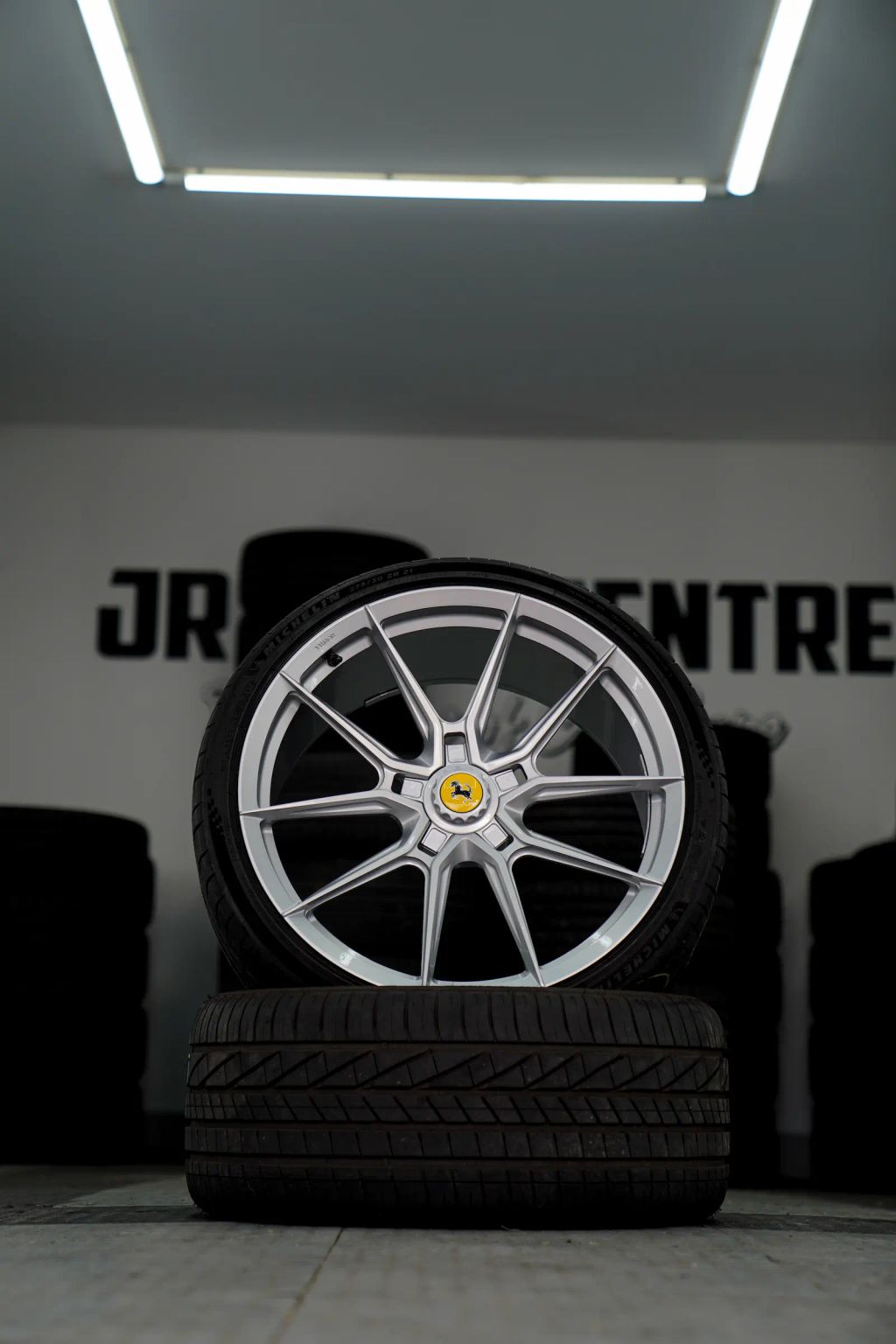
Choosing the Right Refurbishment Method
Selecting the correct refurbishment method is essential when dealing with diamond cut alloy wheels, as their surface requires a more precise approach than standard alloys. The level of damage, wheel condition, and finish type all influence which refurbishment technique will deliver the best results. Using the wrong method can compromise both the appearance and durability of the wheel.
At JR Alloy Wheel Repair, each wheel is assessed individually to determine the most suitable refurbishment process. Whether the issue is light cosmetic wear or more noticeable surface damage, our experienced technicians apply the right techniques to restore the wheel while maintaining its original design and strength. Choosing a professional refurbishment service ensures your wheels are treated correctly and safely from start to finish.
Sanding and Polishing the Wheels
Once the wheels have been thoroughly cleaned and the old finish removed, sanding and polishing play a key role in restoring the smooth, reflective surface of diamond cut alloy wheels. This step helps eliminate minor imperfections, scratches, and uneven areas that may have developed over time.
Precision sanding is carried out carefully to level the surface without removing excess material. Polishing then enhances the wheel’s appearance, bringing back its clean, sharp shine. At JR Alloy Wheel Repair, this process is performed using advanced equipment and high-quality materials, ensuring a consistent finish that closely matches the original factory look. Proper sanding and polishing not only improve appearance but also help extend the lifespan of the wheels.
Applying a New Finish
Applying a new finish is the final and most important stage in the refurbishment process. This step protects the freshly restored surface and gives diamond cut alloy wheels their distinctive, polished appearance. A high-quality lacquer or protective coating is applied evenly to seal the metal and guard against moisture, corrosion, and everyday wear.
At JR Alloy Wheel Repair, a range of premium finishes is available to suit different wheel styles and preferences. Our technicians use precise application techniques to achieve a smooth, durable coating that enhances both appearance and longevity. A professionally applied finish ensures your diamond cut alloy wheels not only look impressive but remain protected for longer on the road.
To ensure the best results, we recommend following these steps:
- Clean the wheels thoroughly to remove any dust or debris.
- Apply the new finish evenly using a specialized applicator.
- Allow the finish to dry completely before handling or reinstalling the wheels.
Tip: It’s important to choose a finish that matches the original color and style of your wheels. This will help maintain the overall aesthetic appeal of your vehicle.
At JR Alloy Wheel Repair, we take pride in our attention to detail and commitment to customer satisfaction. Trust us to refurbish your diamond cut alloy wheels and bring them back to their original glory.
Maintaining Diamond Cut Alloy Wheels
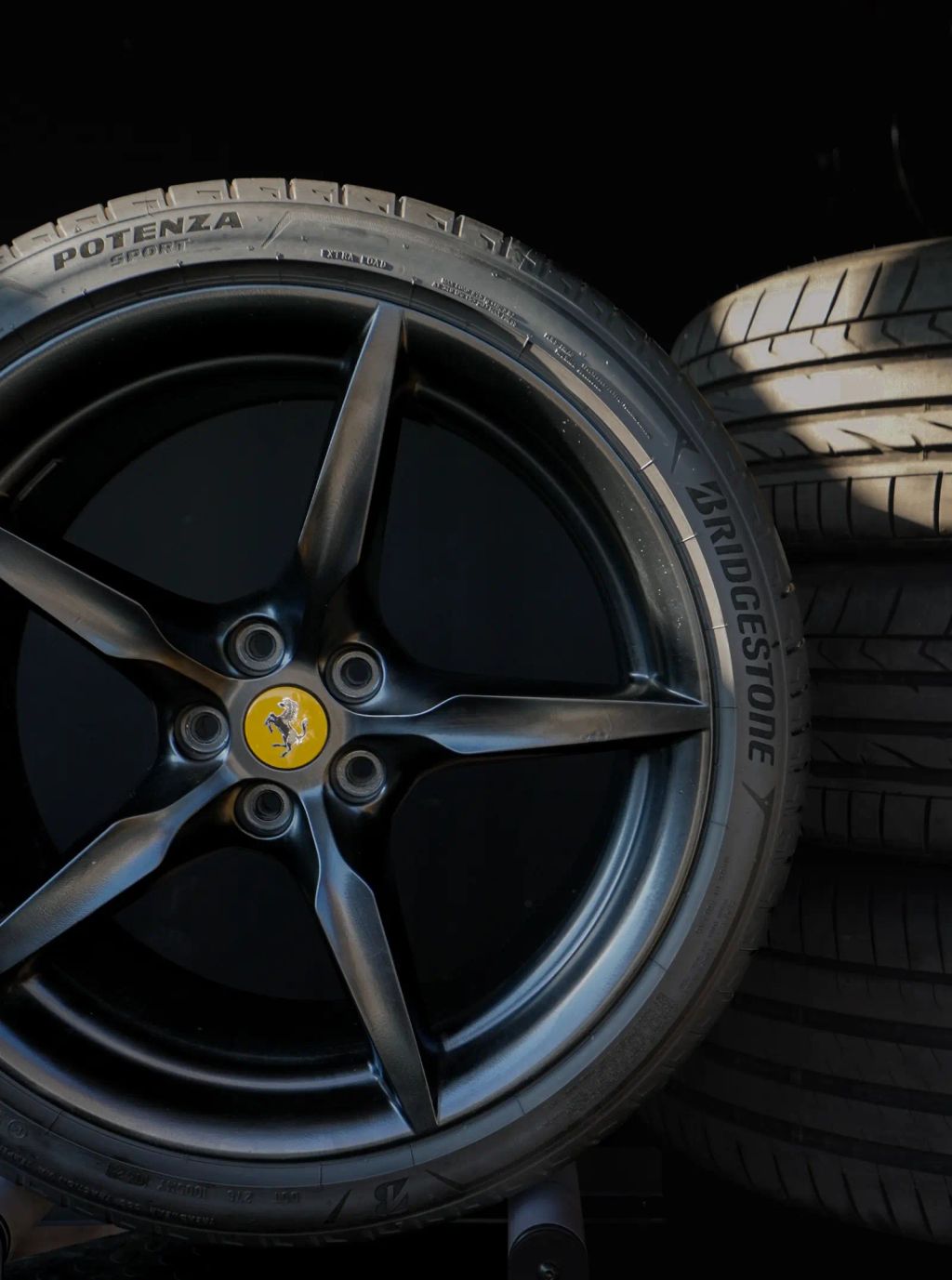
Regular Cleaning and Maintenance
Regular cleaning and routine maintenance are essential to keep diamond cut alloy wheels in excellent condition. Because of their polished surface and protective lacquer, dirt, brake dust, and road contaminants can build up quickly if not cleaned properly. Using gentle, alloy-safe cleaning products and soft tools helps prevent surface damage while keeping the wheels looking sharp and polished.
Professional cleaning services can also play an important role in long-term wheel care. At JR Alloy Wheel Repair, specialised techniques and high-quality products are used to safely remove stubborn contaminants without harming the finish. Regular maintenance not only improves appearance but also helps identify early signs of wear or damage before they become more serious.
Protecting the Wheels from Damage
When it comes to protecting your diamond cut alloy wheels, it is important to take the necessary precautions. At JR Alloy Wheel Repair, we understand the value of your wheels and offer top-notch services to ensure their longevity. Here are a few tips to keep your wheels in pristine condition:
- Regular cleaning and maintenance: Keeping your wheels clean is essential to prevent dirt and debris from causing damage. Regularly wash them with a mild soap and water solution, and avoid using harsh chemicals or abrasive cleaners.
- Avoid curbs and potholes: Be mindful of your driving and avoid hitting curbs or potholes whenever possible. These can cause scratches, dents, or even bent rims. If you do encounter a pothole, make sure to have your wheels inspected for any potential damage.
- Use wheel protectors: Consider using wheel protectors or rim guards to provide an extra layer of defense against scratches and curb rash. These protective accessories can help minimize the risk of damage when parking or maneuvering in tight spaces.
- Be cautious with cleaning products: When cleaning your wheels, be careful with the products you use. Avoid using abrasive brushes or harsh chemicals that can strip away the protective coating. Opt for gentle cleaning solutions and soft brushes or microfiber cloths.
Remember, prevention is key when it comes to protecting your diamond cut alloy wheels. By following these tips and trusting the experts at JR Alloy Wheel Repair, you can ensure that your wheels stay in excellent condition for years to come.
Dealing with Minor Scratches
Minor scratches are a common issue with diamond cut alloy wheels and can noticeably affect the overall look of a vehicle. While these marks may seem small, leaving them untreated can allow moisture to penetrate the surface, leading to further deterioration over time.
Diamond cut wheel refurbishment is an effective solution for restoring wheels affected by light scratches. The process begins with a detailed assessment to determine the depth and extent of the damage. Advanced repair techniques are then used to smooth out imperfections and restore the wheel’s original finish. A protective coating is applied afterward to improve durability and maintain the refreshed appearance.
Addressing minor damage early helps preserve both the visual appeal and lifespan of diamond cut alloy wheels.
Ongoing care is key to keeping diamond cut alloy wheels looking their best for years to come. Regular cleaning, occasional polishing, and avoiding harsh chemicals or abrasive tools can significantly reduce the risk of surface damage. Careful driving and avoiding curb contact also help protect the wheel’s delicate finish.
For best results, professional inspection and refurbishment should be considered when signs of wear appear. Experienced specialists, such as JR Alloy Wheel Repair, offer tailored refurbishment and repair services designed specifically for diamond cut alloy wheels. With the right care and expert support, it’s possible to maintain the original shine, performance, and value of your wheels over the long term.
Conclusion
Refurbishing diamond cut alloy wheels at home can be a rewarding and cost-effective option when the damage is minor and the correct steps are followed. With proper preparation, the right tools, and careful attention to detail, it’s possible to improve the appearance of your wheels and help extend their lifespan.
That said, diamond cut alloy wheels require a delicate and precise approach. While DIY refurbishment can work for light cosmetic issues, more complex damage or deeper surface problems are best handled by experienced professionals. Using the correct techniques and materials is essential to achieving long-lasting, professional-looking results.
By combining regular maintenance with timely refurbishment, you can keep your diamond cut alloy wheels looking sharp and well-protected for years to come. Knowing when to attempt repairs at home and when to seek expert help ensures the best outcome for both appearance and performance.
Frequently Asked Questions
Can I refurbish diamond cut alloy wheels at home?
Yes, it is possible to refurbish diamond cut alloy wheels at home. However, it requires the right tools, materials, and expertise to achieve professional results.
What are the advantages of diamond cut alloy wheels?
Diamond cut alloy wheels offer a sleek and stylish appearance, enhanced brake cooling, and improved fuel efficiency.
What are the disadvantages of diamond cut alloy wheels?
Diamond cut alloy wheels are more prone to damage, require regular maintenance, and can be more expensive to repair or replace.
How do I clean diamond cut alloy wheels?
To clean diamond cut alloy wheels, use a non-acidic wheel cleaner and a soft brush or sponge. Avoid using abrasive cleaners or tools that can scratch the surface.
Can I repair minor damage on diamond cut alloy wheels?
Minor damage on diamond cut alloy wheels, such as scratches or scuffs, can be repaired using touch-up paint or a specialized wheel repair kit.
How often should I maintain diamond cut alloy wheels?
It is recommended to regularly clean and maintain diamond cut alloy wheels at least once a month to keep them in good condition.

