

Powder coating has become a popular choice for enhancing the look and durability of alloy wheels. This process involves applying a dry powder finish that is electrostatically charged and then cured with heat to create a hard, durable coating.
Among various wheel options available, alloy wheels have gained immense popularity due to their superior strength, lightweight nature, and appealing designs. To further enhance their durability and visual appeal, many car enthusiasts and owners opt for powder coating, a process that involves applying a protective layer of colored powder onto the surface of the wheels.
Key Takeaways
- Powder coating can slightly increase the weight of alloy wheels, but the difference is usually negligible.
- Powder coating does not significantly affect wheel performance and can even improve it in some cases.
- It is important to choose a reputable and experienced powder coating service to minimize the risk of damage to alloy wheels.
- Regular cleaning and maintenance are essential to preserve the appearance and longevity of powder-coated alloy wheels.
- Avoid using abrasive substances or harsh chemicals on powder-coated wheels to prevent scratching or discoloration.
What is Powder Coating?
Powder Coating isn’t just another layer of paint; it’s an artful fusion of technology and chemistry. Unlike traditional liquid paint, this process involves electrostatically applying a fine, dry powder to the wheel’s surface. Through a curing process, the powder forms a robust, protective layer, ensuring resilience against corrosion, chips, and scratches.
Powder coating is a cutting-edge method used to rejuvenate and protect alloy wheels, ensuring they stand the test of time against the city’s diverse elements. Unlike traditional liquid paint, powder coating involves applying a dry, powdered polymer onto the wheel’s surface. The process begins by cleaning the wheel thoroughly to remove dirt, debris, and any existing coatings.
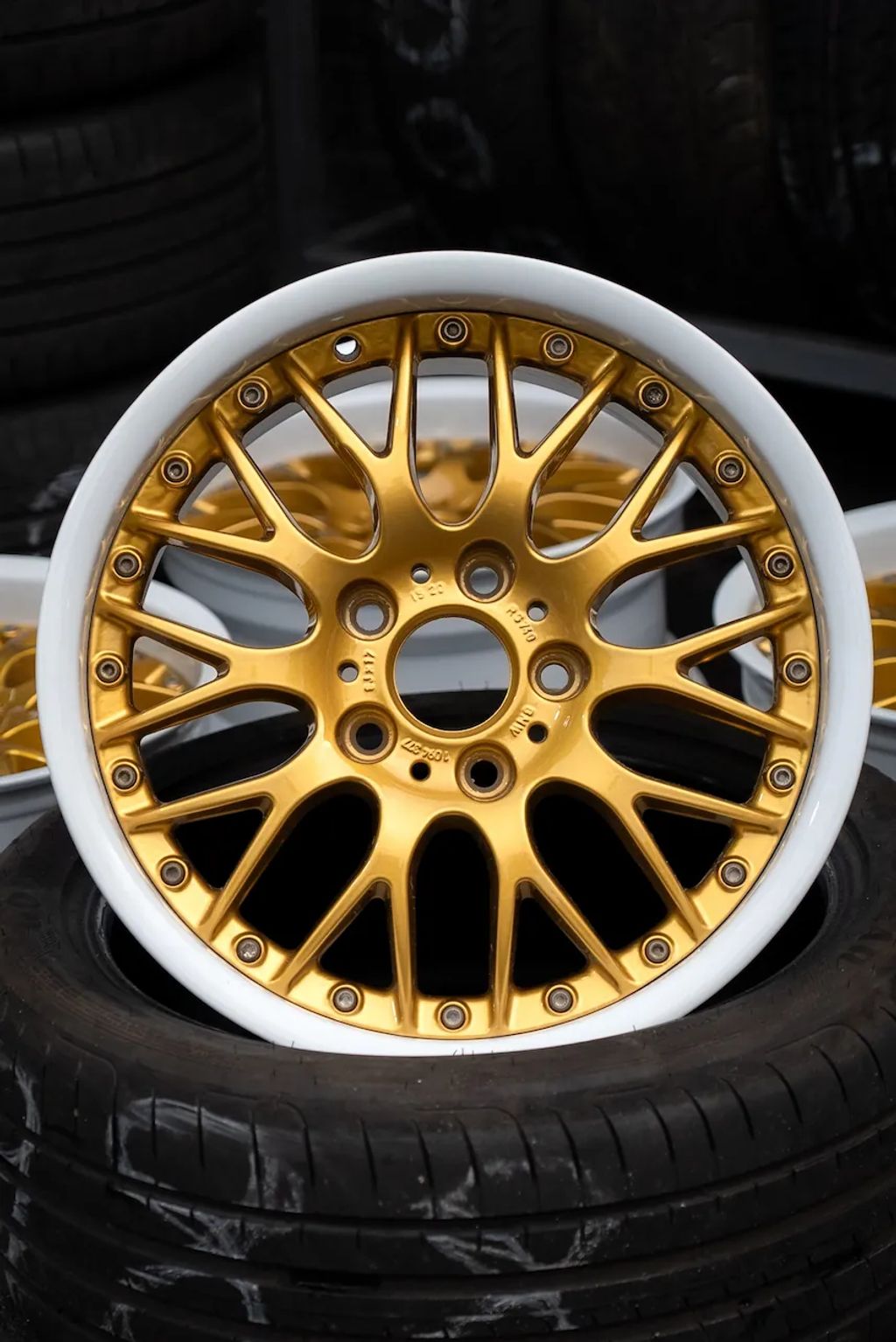
Powder Coating Process
- Preparation: The alloy wheels are meticulously cleaned and prepped, ensuring a pristine surface for the powder to adhere to. This step involves removing any existing paint, corrosion, or imperfections.
- Application: Once prepared, the wheels are electrostatically charged, attracting the powdered polymer particles. The charged wheels and the powder are drawn together, creating a strong bond.
- Curing: The coated wheels are then placed into an oven, where the powder melts and fuses into a durable, smooth finish. This curing process creates a seamless, robust coating that provides exceptional protection against corrosion, chips, and scratches.
Benefits of Powder Coating Alloy Wheels
Enhanced durability and longevity
Improved aesthetics and customization options
Conclusion
Powder coating represents a transformative solution for bent and buckled wheels, offering unparalleled durability, resilience, and aesthetic appeal. By integrating meticulous repairs and the application of this innovative coating, damaged wheels can be revitalized, extending their lifespan while ensuring enhanced performance on the road.
Final Thoughts
The amalgamation of powder coating and wheel repair techniques has not only transformed the aesthetics of vehicles but has also significantly contributed to their safety and longevity. Choosing powder coating for bent and buckled wheels is not merely a restoration; it’s a commitment to quality, durability, and excellence.
FAQs – Your Burning Wheel Queries Answered
Does powder coating make my wheels significantly heavier?
Nope, the difference in weight is usually negligible.
Can powder coating improve my wheel’s performance?
Absolutely! Sometimes, it can even enhance durability on the road.
How important is choosing the right service for powder coating?
It’s critical! Opt for reputable and experienced professionals to minimize any risks.
How do I maintain my powder-coated wheels?
Regular cleaning and gentle care are key to keeping them looking pristine.
Can I use harsh chemicals on powder-coated wheels?
Please avoid abrasive substances or harsh chemicals to prevent damage to the coating.

